THE PROJECT AND ITS AUTHOR
About Salongie
Why This Project Exists
Salongie Feng Shui is an independent English-language project for readers who want to encounter Traditional Feng Shui beyond the simplified versions often presented in popular culture. Much of what is widely known today focuses on objects, placements, decorative advice, or promises of quick results. Traditional Feng Shui is broader: it considers land, buildings, orientation, spatial relationships, changing conditions, and the ways people inhabit a place.
Feng Shui also offers an unusual way into Chinese thought. Ideas such as Yin and Yang can seem highly abstract as philosophy, but in Feng Shui they are brought into relation with actual places, forms, movement, openness, enclosure, and change. Learning Feng Shui can therefore become more than learning how to assess a home or landscape; it can also provide a distinctive path toward understanding how traditional Chinese culture has thought about relationships between people, place, nature, and change.
The traditional literature, however, is old, layered, and often difficult to approach. Different periods and lineages use different terms and preserve different methods. Salongie aims to return to classical sources and traditional methods, place them in context, and explain them in contemporary language without flattening their differences into a single formula.
The purpose is not to establish a school or present Feng Shui through the authority of a master, but to make an old and complex body of knowledge more accessible while allowing it to enter into conversation with modern life. Personal feeling may be a useful clue, but it does not replace observation and assessment; wherever possible, the material moves from conditions to likely consequences rather than from rules to fixed promises.
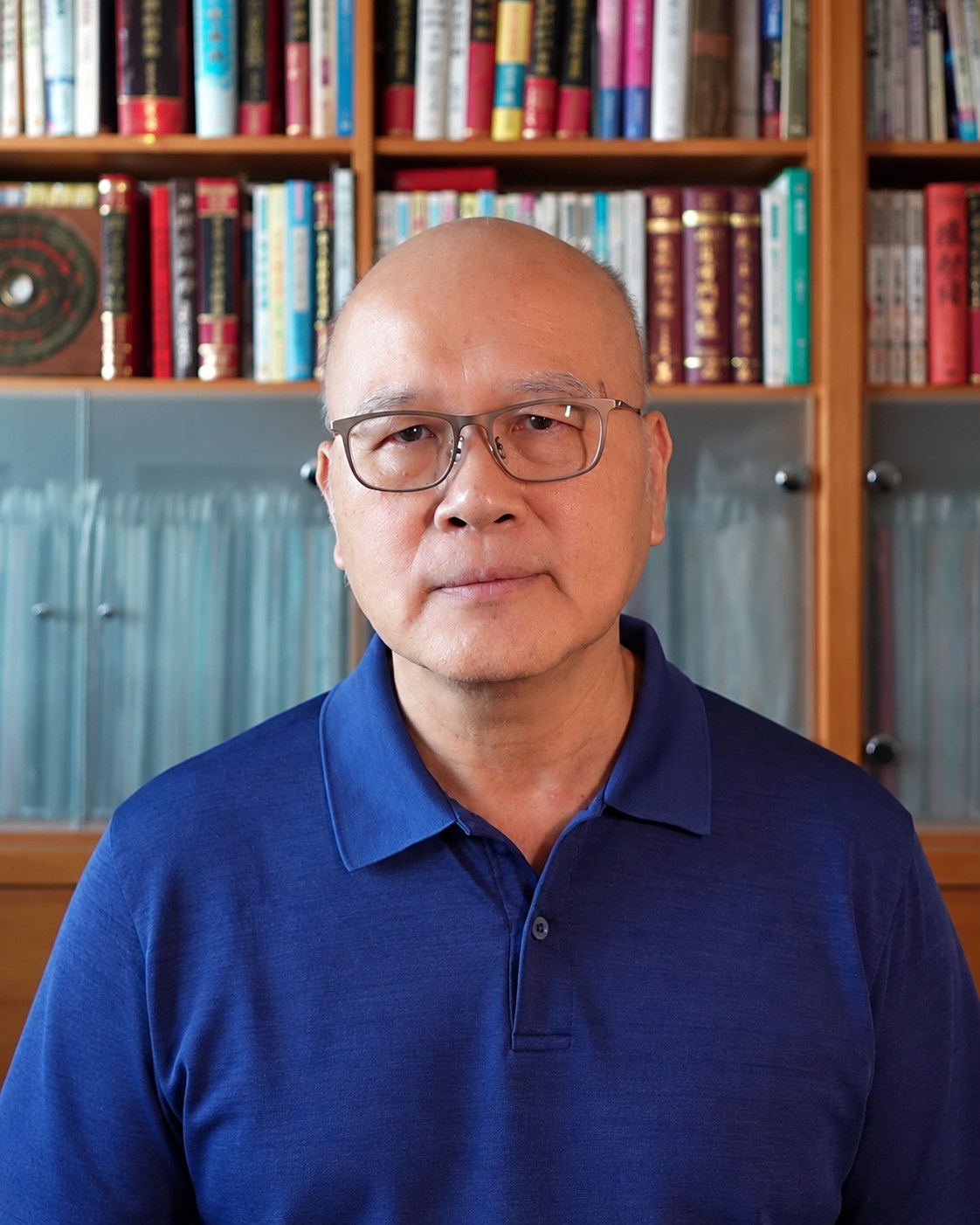
Alongside this study, I spent more than twenty years practicing Feng Shui consulting and have also taught Feng Shui. Working with real homes, buildings, and people kept traditional theories connected to lived experience and deepened my interest in the relationship between people and the places they inhabit.
For me, that relationship has gradually become a kind of dialogue. A place affects the way we move, respond, settle, and live, while the way we inhabit it also changes that relationship. Learning Feng Shui has therefore also been a path of awareness—a continuing practice of observing more carefully, recognizing relationships and conditions, and understanding our own place within them.
Even now, I regard Feng Shui as an ongoing field of study rather than something fully mastered. Salongie grows out of that continuing work: a place to share what I have learned and to make traditional ideas more understandable without removing the context that gives them meaning.
An Ongoing Project
Salongie remains a work in progress in the best sense: a place for continued study, writing, translation, and clarification. New articles, longer studies, and revisions will be added over time, with the hope that the site can gradually become a rich and dependable source for readers who want to understand Traditional Feng Shui more deeply.
The Knowledge Map is central to that work. By showing how foundations, concepts, and methods relate to one another, it offers a structured path for readers interested in Feng Shui or in Chinese culture more broadly. Salongie also hopes to make selected classical Feng Shui texts more approachable by providing the historical, linguistic, and practical context needed to understand them.
Although the project introduces an old Chinese tradition to an English-speaking audience, the exchange need not move in only one direction. Readers from different cultural backgrounds bring different questions and ways of seeing, and those perspectives may in turn help us think more carefully about the meaning and value of Feng Shui today.