The History of Feng Shui I: Origins and Early Foundations
From Ancient Chinese Cosmology to the Birth of Site Selection Practices
Introduction: Why Understanding Feng Shui's History Matters
Feng Shui has been a way for the Chinese to communicate with nature for thousands of years. It is more than a system of choosing auspicious sites—it is a comprehensive worldview that blends astronomy, geography, philosophy, and daily living. Understanding its history is the first step in appreciating the depth of this ancient wisdom and the Chinese perspective on space and survival.
What Is Feng Shui? Early Terms and Evolving Concepts
📌 Core Concept: The Original Meaning of “Kanyu”
"Kan" refers to the heavenly way; "Yu" refers to the earthly way. Together, they describe observing the laws of heaven and earth. This term, predating the term Feng Shui, reveals the cosmological depth at the root of the practice.
Feng Shui was originally known as “Kanyu”, and over time was also referred to as:
- “Bu Zhai” (卜宅): Divining to judge the auspiciousness of a dwelling site.
- “Xiang Di” (相地): Observing and interpreting the terrain to determine suitability.
- “Tu Zhai” (圖宅): Drawing layouts of dwellings—an early form of architectural planning.
- “Xing Fa” (形法): Matching topography with spatial organization; the precursor to the Form School.
These terms are frequently found in texts from the pre-Qin to Han periods (approx. 11th century BCE to 220 CE), including the Zhouli, Book of Songs, and Book of Documents.
👤 Zhouli (Rites of Zhou) (written during the Warring States to Western Han period)
- Describes principles for planning cities and capitals, emphasizing orientation and landscape.
👤 Shangshu (Book of Documents) (content dated to approx. 11th–7th centuries BCE)
- Records location criteria such as “situating cities in river bends,” showing early attention to natural features.
📘 Etymological Note:
- The word “Kanyu” appears in Records of the Grand Historian (91 BCE, by Sima Qian) and Book of Han (1st century CE, by Ban Gu), indicating its status as a technical divinatory term.
- The term “Feng Shui” first appeared clearly in Guo Pu’s Book of Burial (276–324 CE).
The Formative Period: Pre-Qin to Han Dynasty (c. 11th Century BCE – 220 CE)
Early Feng Shui ideas arose from daily experience and environmental awareness. Ancient people favored sites that were backed by mountains, faced water, and received sunlight—all for warmth, defense, and cultivation. These intuitive preferences gradually developed into basic site selection principles.
Classical texts such as the Book of Songs, Book of Documents, and Rites of Zhou document early activities in city planning and orientation. One example, “situating cities in river bends,” reflects a recognition of advantageous terrain.
📌 Historical Example: Early Applications of Feng Shui in Urban and Burial Planning
The Western Han capital Chang’an (modern Xi’an) and the burial site of Emperor Wu (Maoling) were chosen based on classical Feng Shui principles: backed by mountain ranges, facing water, and surrounded by the Four Celestial Beasts—demonstrating the integration of geography and cosmology.
📌 Core Concept: Site Selection in Harmony with Nature
Ancient Feng Shui was rooted in adapting to nature. The ideals of “backed by mountains, facing water” and “following the sun, avoiding the wind” reflect the Chinese belief in aligning human life with the cosmic order.
👤 Dong Zhongshu (c. 179–104 BCE)
- Who: Western Han Confucian scholar
- Contribution: Introduced the doctrine of “correlation between Heaven and humanity” (tian ren gan ying).
- Impact: Provided Feng Shui with a cosmological and ethical framework, elevating it from practical knowledge to a unified theory of humans and the universe.
📌 Core Concept: How Yin-Yang and Five Elements Entered Feng Shui
Yin and Yang represent dynamic duality, and the Five Elements describe natural cycles. Dong Zhongshu’s thought helped embed these ideas in Feng Shui, shaping it into a comprehensive cosmological system.
Divination, Astronomy, and the Logic of Burial Timing
Oracle bones from the Shang dynasty (c. 1300 BCE onward) already contain records of selecting auspicious days and orientations for building. This reveals the belief that alignment with time and space is crucial for success and harmony.
📌 Supplementary Note: Early Astronomical and Geographic Thinking in Feng Shui
Ancient Chinese used the Big Dipper, seasonal sun angles, and the 28 lunar mansions to determine direction and timing. The four symbolic beasts—Azure Dragon, White Tiger, Vermilion Bird, and Black Tortoise—were linked to cardinal directions and used alongside landform assessment. Feng Shui was cosmology in practice from the very beginning.
Rational Voices and Supporters of Feng Shui
👤 Wang Chong (27–97 CE)
- Who: Eastern Han materialist philosopher
- Work: Lunheng (Critical Essays)
- Viewpoint: Criticized superstitions in Feng Shui practices such as site divination, advocating reason and observation. He represents one of the earliest rational critiques of Feng Shui.
However, many historical scholars were strong supporters and practitioners of Feng Shui. For example, the great Neo-Confucian Zhu Xi (1130–1200) was well-versed in geomancy and even wrote commentaries on related texts—showing that Feng Shui held a place in mainstream intellectual traditions.
Conclusion: The Philosophical Seeds of Feng Shui
👤 Guo Pu (276–324 CE)
- Who: Jin dynasty scholar and diviner
- Contribution: Author of the Book of Burial, the first systematic exposition of Feng Shui theory
- Core Idea: Introduced the notion of Qi and the foundational concept of “hiding wind and gathering Qi.” His text became a cornerstone of the Sanhe (Three Harmonies) School and holds an unshakable place in both theory and practice.
- Legacy: Revered as the founding father of Feng Shui.
📌 Core Concept: What Is “Hiding Wind and Gathering Qi”?
Guo Pu wrote: “Qi rides the wind and disperses, but is halted by water. The ancients gathered it to prevent dispersion and guided it to settle—hence the name Feng Shui.”
This summarizes Feng Shui's essence: Qi is a life force that flows through the environment. Wind causes it to scatter; water helps it accumulate. The goal of Feng Shui is to find locations that shield Qi from dispersal and allow it to stay—so it can nourish life.
From intuitive living practices to an integrated system of cosmology, geography, and metaphysics, Feng Shui evolved into a philosophy of harmonizing humans with the environment. This formative phase laid the philosophical and practical foundations for later theoretical development.


What Is Feng Shui?
Ancient Wisdom for Modern Living
What is Feng Shui? Feng Shui is a time-honored Chinese system that studies how your environment influences your life. With roots going back over three thousand years, Feng Shui integrates nature, philosophy, and design to help people live in greater harmony with their surroundings.
This ancient art is not superstition, nor is it a religion. Instead, Feng Shui is a deep and practical study of energy flow—how the arrangement of space can impact your health, relationships, creativity, and overall sense of balance and well-being.
A Brief History: From Imperial Secret to Everyday Wisdom
Feng Shui’s origins date back to ancient China, with recorded practices as early as 3000 years ago. During the Western Han Dynasty (around 200 BCE), the imperial court appointed official Feng Shui masters to oversee palace construction and royal tomb design. These specialists relied on the shapes of surrounding mountains, rivers, and other natural features to determine ideal locations and spatial orientations.
At the time, Feng Shui knowledge was reserved for the elite and not shared with the general public. It wasn’t until the late Tang Dynasty (9th century CE) that this changed. Yang Yunsong, a court official who managed astronomy and geography, fled the capital during times of war. Taking the royal Feng Shui texts with him, he began teaching the art to ordinary people. He is now honored as the "Patriarch of Feng Shui," marking the beginning of its widespread dissemination among the public.
To this day, Feng Shui remains a vital part of Chinese cultural heritage, especially in regions across Asia where people continue to value its insights in both home and business settings.
What Is Feng Shui Really About?
Feng Shui literally means “Wind and Water”—two natural forces that are invisible, yet deeply influential. At its core, Feng Shui is about understanding and directing Qi (life energy) to flow smoothly through space, helping us feel more grounded, prosperous, and at peace.
You might think of it as the psychology of space, or energetic interior design. By aligning our environment with natural patterns and energy flow, Feng Shui offers a practical way to improve our lives.
🌿 Feng Shui is not based on superstition—it’s an ecological and philosophical approach to living in sync with nature.
Three Core Principles of Feng Shui
1. Qi (氣): The Flow of Energy
Qi is the foundational concept in Feng Shui. It refers to the invisible life force or energy that moves through everything. Just like fresh air, good Qi should flow smoothly—not become stagnant or chaotic.
- Stagnant Qi: Found in cluttered corners, dusty spaces, closed rooms, or where natural flow is blocked.
- Overactive Qi: Present in overly bright lights, sharp edges, chaotic layouts, or loud, fast-moving water.
- Balanced Qi: Soft lighting, good air circulation, organized furniture, and harmonious layout help Qi to flow gently and supportively.
Feng Shui helps you identify and adjust these energy flows to restore balance in your space.
2. Yin & Yang: Harmonizing Opposites
Yin and Yang represent the dual forces in nature—opposing yet complementary energies:
- Yin: Dark, still, soft, restful (e.g., bedrooms or meditation rooms)
- Yang: Bright, active, firm, expressive (e.g., living rooms or offices)
Feng Shui is all about achieving harmony between these two. A classic example is the principle of "facing the Yang, backing the Yin"—homes are ideally built with a mountain behind (Yin, support and protection) and water in front (Yang, flow and vitality). This traditional concept is called “Back Mountain, Face Water”, a hallmark of favorable Feng Shui site selection.
3. The Five Elements: Wood, Fire, Earth, Metal, Water
The Five Elements theory brings another layer to Feng Shui practice. Each element represents a form of energy that corresponds to colors, materials, directions, and moods. These elements interact in cycles of generation and control, which can be used to enhance or balance the energy of a space.
- Wood: Growth, creativity, green tones
- Fire: Passion, illumination, red/orange tones
- Earth: Stability, nourishment, yellow/tan tones
- Metal: Precision, clarity, white/gray/silver tones
- Water: Flow, intuition, blue/black tones
By applying these elements mindfully through design choices, you can harmonize the emotional and energetic feel of your environment.
Modern-Day Applications of Feng Shui
Today, Feng Shui is widely used in interior design, architecture, and personal well-being. Its principles are flexible and can be adapted to modern lifestyles.
Here are a few everyday applications:
- Bed placement: Influences sleep, emotional health, and fertility.
- Desk or study room layout: Affects concentration and creativity.
- Entryway and window design: Controls how Qi enters and exits your home.
- Seasonal adjustments: Syncs the space with natural rhythms for better health.
Whether you're designing a home, an office, or a meditation space, Feng Shui provides timeless tools to enhance both form and function—with energy in mind.
Final Thoughts: Feng Shui as a Way of Life
Feng Shui is more than just a tool for decoration or luck—it is a holistic philosophy rooted in respect for nature, observation of patterns, and conscious living. It invites us to become aware of how space affects our mind, mood, and momentum in life.
In the end, Feng Shui is not about creating a “perfect” house. It’s about living in alignment—with yourself, your space, and the world around you.
✨ When Qi flows, life grows.
You can also read more in our post on The History of Feng Shui.

Finding Your Energy Direction with the Luo Pan
A Compass for the Soul: More Than Just Directions
The Luo Pan isn’t just a Feng Shui compass for measuring space—it’s a tool for aligning with the right energy in your environment. Learn how each direction carries unique elemental power and how to find the one that matches you.
Have you ever stood in a room and felt inexplicably uneasy? Or found yourself in a certain corner and suddenly felt calm and centered? These sensations are not just in your mind—they reflect the subtle interaction between your energy and the energy of the space around you. The Luo Pan, the traditional Feng Shui compass, is not merely a tool to determine direction—it’s a bridge that helps us understand these energetic relationships.
At first glance, the Luo Pan seems like a complex instrument for identifying orientation, dividing space into 24 directional mountains. But beneath its intricate rings lies the wisdom of Heaven and Earth. Each direction carries its own energy, tied to the five elements, and resonates differently with different individuals. Not everyone thrives facing south or living in an east-facing room. The ideal direction for a person depends on their inner energy structure—what we call ming (命) and the flow of qi (氣).
From a Feng Shui perspective, the East corresponds to Wood. When we emphasize the eastern direction in our spatial arrangement, we invite more of the Wood element into our environment—energy that symbolizes growth and new beginnings. The South represents Fire, and Fire’s energy is powerful—it brings passion, motivation, and expression. However, in years when the fixed southern direction is afflicted by challenging annual energies, Fire can turn volatile, leading to chaos or burnout.
The West embodies Metal, and the North aligns with Water. Like the East and South, these directions hold stable elemental energies—Metal relates to clarity, structure, and consolidation, while Water nurtures introspection, learning, and hidden strength. Yet in different years, these energies shift in strength and character, influenced by the broader cosmic cycles. What supports you one year may challenge you the next.
Understanding your personal alignment with these directions helps create a space that supports—not suppresses—your natural energy. Forcing yourself to live in a direction that contradicts your energy is like planting a tree in the wrong soil; it may survive, but it won’t thrive. The Luo Pan, then, is more than a tool—it’s a guide to help you locate the environmental frequencies that nourish your spirit.
When we measure a space with the Luo Pan, we are ultimately asking a deeper question: “Where do I truly belong?” It’s not just about finding North or South—it’s about finding a place where your body feels at ease, your mind is clear, and your energy flows with harmony.
To study Feng Shui is not to fear superstition—it is to recognize that just as nature follows a rhythm, so do we. And when your space aligns with that rhythm, you begin to move through life with greater clarity, balance, and purpose—like a compass needle that finally finds true North within.
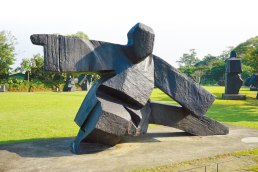
Tai Chi and the Flow of Qi: Harmonizing Body, Mind, and Energy
A Zen master once said, “In movement, Zen; in stillness, Zen. In words, in silence—serene within, whatever may come.” This line tells us that Zen isn’t something that can only be found sitting in meditation; rather, it’s something we can experience at any moment. Whether we’re walking, sitting, standing, or lying down, and whether we’re speaking or silent, we can still feel Zen’s calmness and peace if we focus on the present and keep our mind steady.
This idea suggests that meditation doesn’t require us to sit still and close our eyes. True meditation can happen anytime, anywhere, as long as we keep ourselves calm and focused. Whether we’re working, eating, or having a conversation, we can be in a meditative state as long as our mind is at peace.
Tai Chi as Moving Meditation
Tai Chi is a wonderful example of Zen in action. We often see people practicing Tai Chi in parks or natural settings, moving slowly and gracefully. Their calm and focused expressions make it look like they’re painting a peaceful picture with their bodies. Tai Chi isn’t just exercise—it’s a practice that brings peace to the mind while strengthening the body.
Foundations of Tai Chi
Tai Chi is built on traditional Chinese philosophies, such as the principles of Yin-Yang balance, the Five Elements, Daoism, and Traditional Chinese Medicine. These beliefs focus on three main ideas:
• Harmony of Yin and Yang: Tai Chi movements balance opposites, such as strength and softness, fullness and emptiness. Through these changing movements, we aim to achieve inner balance and, ultimately, better health. This harmony in the body also brings mental harmony, keeping both body and mind in sync.
• Qi and Blood Circulation: Tai Chi encourages the flow of qi (vital energy) and blood in the body through specific movements and breathing techniques. This circulation helps to “open up” the energy channels within, making us feel more relaxed and energized, which is essential for maintaining good health.
• Unity of Mind and Body: Tai Chi emphasizes the importance of the mind working with the body. By focusing our thoughts on each movement, we bring our mind and body into alignment, achieving a state of calm and focus that promotes both physical and mental health.
Tai Chi as a Way to Practice Zen in Everyday Life
The idea of “Zen in movement, Zen in stillness” aligns well with the core philosophy of Tai Chi. Practicing Tai Chi in our daily lives can help us bring a sense of calm and focus into everything we do, whether we’re working, learning, or interacting with others. Tai Chi teaches us that true Zen isn’t something we experience only at specific times or places—it’s something we can incorporate into every moment of our lives.
Through Tai Chi, we bring the wisdom of Zen into everyday life, not only while practicing but in everything we do. This helps us face life’s challenges with calmness, patience, and resilience.
The Role of Qi in Chinese Culture
In traditional Chinese culture, qi (also written as “Chi”) is an invisible but powerful energy that flows through our bodies and the world around us. The Chinese believe that qi not only affects physical health but also influences our emotions, mental state, and even relationships. The free flow and balance of qi are crucial to a healthy life. When qi flows smoothly, we feel healthy and energetic, and life feels harmonious. When qi is blocked or out of balance, however, we may experience stress, fatigue, and even physical illness.
Chinese philosophy views Earth as a part of the cosmos and the land as humanity’s nurturing source. The energy field of the Earth surrounds us, supporting our lives. When we learn to sense and align our internal qi with nature’s qi, Daoism teaches that we can elevate our inner being. This idea is at the core of Daoist beliefs and is thought to enhance our spiritual awareness.
Tai Chi and Zen share deep spiritual roots. Through practicing Tai Chi, we can truly understand the meaning of “Zen in movement, Zen in stillness.” Tai Chi is more than just a way to stay fit—it’s also a path toward cultivating a peaceful and balanced mind. In our busy lives, we can take a moment to practice Tai Chi, connecting with ourselves and the world around us, finding joy in the unity of body and spirit.
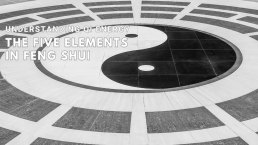
Understanding Qi Energy: The Five Elements in Feng Shui
In traditional Chinese culture, Qi energy (also spelled Chi) is the vital, invisible force that flows through all things—our bodies, our surroundings, and the universe itself. Though we cannot see or touch Qi directly, we can feel its influence in how a space affects our emotions, health, focus, and sense of harmony.
In Feng Shui, understanding the quality and balance of Qi is essential. One of the most practical and powerful ways Feng Shui interprets Qi is through the Five Elements—Wood, Fire, Earth, Metal, and Water. These elements represent different aspects of energy and help us evaluate and shape the energetic profile of any environment.
The Five Elements as Expressions of Qi
Wood: Growth and Creativity
Wood energy is about expansion, vitality, and upward movement. It brings life, purpose, and renewal into a space. Rooms with strong Wood energy often feel inspiring, creative, and motivating. However, too much can create tension or impatience.
Feng Shui Tip: Add Wood through plants, tall vertical forms, and green or teal colors.
Fire: Passion and Transformation
Fire is dynamic, expressive, and intense. It brings warmth, excitement, and strong emotional energy. A Fire-rich space can feel lively and engaging, but too much may lead to restlessness or stress.
Feng Shui Tip: Use candles, lighting, triangular shapes, and red or magenta tones to introduce Fire in moderation.
Earth: Stability and Grounding
Earth energy promotes balance, security, and nourishment. It provides a sense of rootedness and calm. However, an excess of Earth may lead to stagnation or resistance to change.
Feng Shui Tip: Add Earth elements through square shapes, ceramics, stones, and warm earthy colors like yellow, beige, and ochre.
Metal: Precision, Reform, and Inner Strength
Metal energy is sharp, decisive, and carries the power to cut through confusion. It symbolizes clarity, justice, and transformation through structure. In its balanced form, Metal represents inner strength, moral integrity, and the noble quality of discipline.
But Metal can also be cold, distant, or severe. Its refined, pure nature sometimes expresses as pride, rigidity, or even punishment—like the sword of judgment or the strictness of military force. When used wisely, however, Metal brings reform, order, and high standards into your space and life.
Feng Shui Tip: Use round shapes, metallic finishes, and colors like white, grey, or gold to activate Metal.
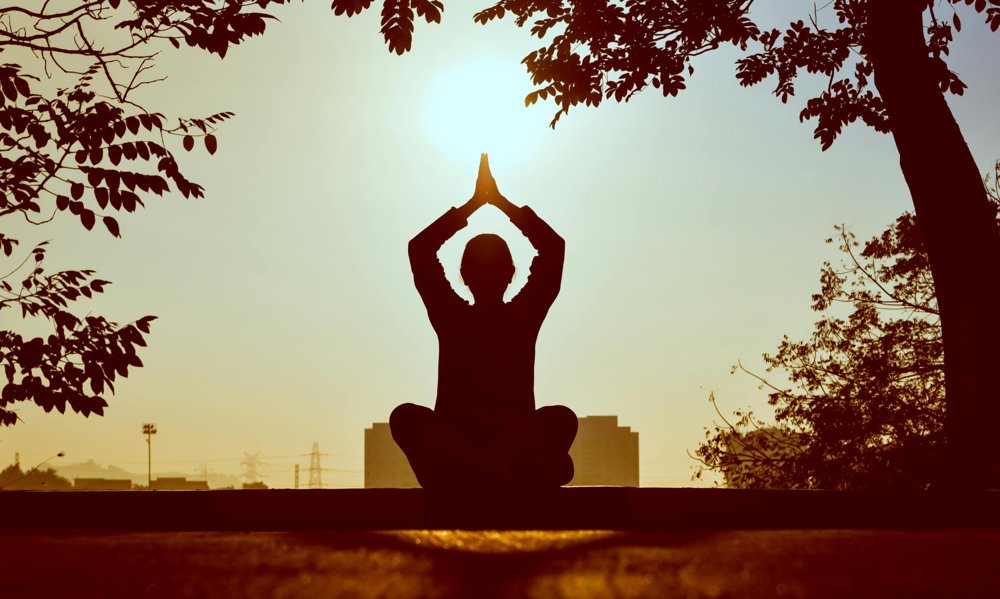
Water: Flow and Intuition
Water represents adaptability, reflection, and emotional depth. It’s linked to intuition, creativity, and wisdom. While it brings peace and openness, too much Water can lead to scattered energy or lack of direction.
Feng Shui Tip: Add Water through mirrors, flowing shapes, fountains, or deep blue and black tones.
Balancing the Elements for Better Qi Flow
Every space has its unique Qi signature based on the dominant elements present. For instance:
- A room with strong Wood and Fire energy may feel energetic and visionary—but could benefit from Earth for grounding.
- A space heavy in Metal and Earth may feel stable but might need Water or Wood to invite movement and growth.
Understanding the elemental balance allows you to fine-tune your environment to better match your lifestyle and emotional needs.
In Feng Shui, aligning your space with the Five Elements helps create harmony between your environment and your inner energy. By observing and adjusting the elemental balance, you can craft a home or workspace that supports your goals, health, and personal growth.

How to Choose the Ideal Bed Placement: A Bedroom Feng Shui Guide with Yin-Yang Balance
Do you feel like you’re not getting the quality of sleep you need, no matter how tired you are?
In Feng Shui, the way your bed is placed can completely change the flow of Qi—the life energy that shapes how you rest, recover, and feel each day.
Today, I’ll walk you through how to position your bed so it supports deep sleep, nourishes your energy, and brings Yin-Yang balance to your home.
Why Bed Placement Matters
In Feng Shui, your bed is more than just a place to sleep—it’s your personal energy anchor.
Ideally, you want your bed against a solid wall, one without windows or doors. This “solid backing” symbolizes stability and support in life.
When your bed is grounded like this, energy flows naturally and evenly in the room. You feel more secure, your sleep becomes deeper, and your mind finds it easier to let go.
What About Large Windows?
Windows aren’t “weak points” by themselves—in fact, they can help gather and circulate nourishing Qi. But when they’re in certain spots, they can also let energy escape too quickly.
If your bed is directly under or perfectly aligned with a large window—such as a floor-to-ceiling window—you might notice lighter, more restless sleep. The expansive opening can cause Qi to disperse too fast, leaving you feeling less settled.
Try positioning the bed so you can still enjoy natural light—especially if you love waking up with the morning sun—but without having it directly above your head. This way, you keep both the view and the stability of your energy.
Balancing Light and Darkness — The Yin and Yang of the Bedroom
Here’s a core principle in Feng Shui: light is Yang—active, vibrant energy. Darkness is Yin—calm, nurturing energy.
Your living room should be bright and open, alive with Yang for conversation and activity. But your bedroom? It’s a Yin space. It’s where you recharge, so the energy needs to be softer and darker, especially when you sleep.
Think of it this way: your spirit is Yang, your body is Yin. Health and balance come when both are in harmony. That’s why Feng Shui masters often say: “A bright living room, a dark bedroom.”
Leave Space for Qi to Flow
Once you’ve found your ideal bed spot, don’t crowd it. Give your bed room to “breathe”—about two to three feet on each side if you can. This space isn’t just for physical comfort—it’s a pathway for Qi to move freely.
If your room is small, that’s okay. Even a little openness on each side can make a big difference in how spacious and relaxing your bedroom feels.
Avoid Door Alignment (Men Chong 門沖)
Here’s another important tip: avoid placing your bed directly in line with the bedroom door.
In traditional Feng Shui, this is called men chong (門沖), meaning the door directly faces the bed, allowing energy to rush in and disturb the calm, restorative atmosphere you need for sleep.
If possible, shift the bed slightly to the side or angle it so the energy enters more gently. This small adjustment can greatly improve the sense of peace in the room.
Choose a Solid Headboard
Think of your headboard as a shield and a source of support. A sturdy, gap-free headboard grounds you energetically and physically. It connects you more firmly to the wall, helping your mind and body fully relax at night.
Bringing It All Together
When it comes to bed placement, there’s no single “perfect” rule for everyone—your comfort matters just as much as traditional guidelines. Aim for a solid wall behind you, avoid direct alignment with large windows or doors, and keep the flow of Qi smooth with open space around the bed.
And remember the Yin-Yang balance: let your bedroom be a cocoon of soft, nourishing energy at night, so your body and spirit stay in harmony.
With mindful Feng Shui, your bedroom can become a sanctuary—a place where your space truly supports your life.

Creating an Ideal Study Room with fengshui principle
The study room serves as a sanctuary for reading, reflection, and focused work. In Feng Shui, this space holds great potential to influence our mental clarity, creativity, and even our academic or professional success. A well-designed study room can improve focus, foster innovation, and bring harmony to both personal and work life. For children, a study room with good Feng Shui can boost learning abilities and enhance their luck in exams, while for adults, it can bring positive benefits to their careers. Here are the Feng Shui principles that can help you create a study space that enhances concentration, creativity, and overall well-being.
1. Cleanliness and Airflow: The Foundation of a Productive Space
A study room should always be clean, tidy, and well-ventilated to promote clarity and fresh thinking. Allowing sunlight to enter the space is ideal, as natural light energizes the mind and body. However, if the windows allow too much sunlight, consider placing green plants near them to diffuse the light. Plants in the study are more than just decorations – they play an essential role in Feng Shui. They remove negative energy, calm the mind, and enhance the flow of positive Chi. The growth of plants symbolizes the growth of wisdom, making them the perfect Feng Shui item for a study room.
2. A Quiet and Independent Space
Ideally, your study room should be a quiet, independent area of the home, free from distractions. In Feng Shui, the shape of the room matters: a square or rectangular space is preferred, as it represents stability and supports calm, focused energy. Circular rooms, on the other hand, symbolize movement and may disrupt concentration. Similarly, irregular or triangular-shaped rooms can create feelings of pressure or discomfort, both physically and mentally, making them unsuitable for study spaces.
3. The Ideal Desk and Bookcase Placement
In Feng Shui, wooden furniture is highly recommended for the study room, especially for the desk and bookcase, as wood corresponds to growth and knowledge in the Five Elements theory. The layout of the study should be classical and elegant, emphasizing simplicity and functionality. The desk is the focal point of the space and should be positioned thoughtfully.
If you don’t have a separate study room, placing a desk in an appropriate spot according to Feng Shui principles can still create a productive environment. The key rule is that there should be solid support—such as a wall or bookcase—behind your seat. This setup promotes stability, enhances concentration, and can even attract recognition and opportunities in the workplace. Avoid placing the desk with a walkway, stairs, or windows behind it, as this creates a sense of insecurity and distraction, leading to a lack of focus.
4. Creating an Open and Inviting Space
In front of the desk, it’s beneficial to have a small, open space—known as the “Ming-tang.” This area is where positive energy, or Chi, gathers, enhancing mental flexibility and helping you approach tasks with an open mind. A small sofa or coffee table can be placed in this space for relaxation or informal conversations. If your desk is near a window, having a view of the outside world is another excellent way to encourage expansive thinking.
5. Avoid the Central Position
In larger study rooms, avoid placing the desk in the center. The central position, often referred to as the “middle palace,” is where Chi flows through the space. Sitting in this area can feel overwhelming and make it difficult to focus. This position corresponds to the Earth element in Feng Shui, symbolizing stability and balance. However, in the case of a desk, this central spot can disrupt concentration and productivity, much like the effect of being in a circular space.
6. Steering Clear of the “Door Rush”
Another key Feng Shui guideline is to avoid placing the desk in a direct line with the door. This alignment, known as the “door rush,” allows energy to flow too quickly towards the desk, making it difficult to concentrate. It can also lead to impatience and inefficiency. To remedy this, consider changing the desk’s position, using a screen to block the energy, or placing a small sofa or table to redirect the flow of Chi.
7. Beware of Beams and Hanging Lights
One of the most important Feng Shui taboos for the study room is the placement of the desk under a beam or a large hanging lamp. Beams represent structural stress points in a house and can create an oppressive atmosphere, hindering focus and success. Overhead lamps positioned directly above the desk should also be avoided, as they create similar psychological pressure.
8. Flying Stars (2025 Update)
In advanced Feng Shui, the Flying Star method guides us in arranging our spaces to enhance positive energy throughout the home. Two stars, the First White Star and the Fourth Green Star, are especially important for boosting rational thinking, communication, creativity, and academic success.
In 2025, the Fourth Green Star moves to the West sector. Since the West is associated with the Metal element, and Metal weakens Wood (the element of the Fourth Green Star), this may limit personal creativity and learning abilities if left unaddressed. To counter this, you can introduce Water elements into the West area — such as a small aquarium, a bowl with live water plants, or even a simple water feature. Water nourishes Wood, helping the Fourth Green Star’s positive qualities shine more brightly.
Adding touches of green, like green cushions, tablecloths, or decor items, can further support the Wood energy. By thoughtfully enhancing the West sector, you can tap into the Fourth Green Star’s potential for growth, inspiration, and intellectual achievement throughout 2025.
By following these Feng Shui principles, you can transform your study room into a space of calm, concentration, and inspiration, enabling you to perform at your best and bring positive energy into your work and studies.